





Reliable Auto Transport to and from
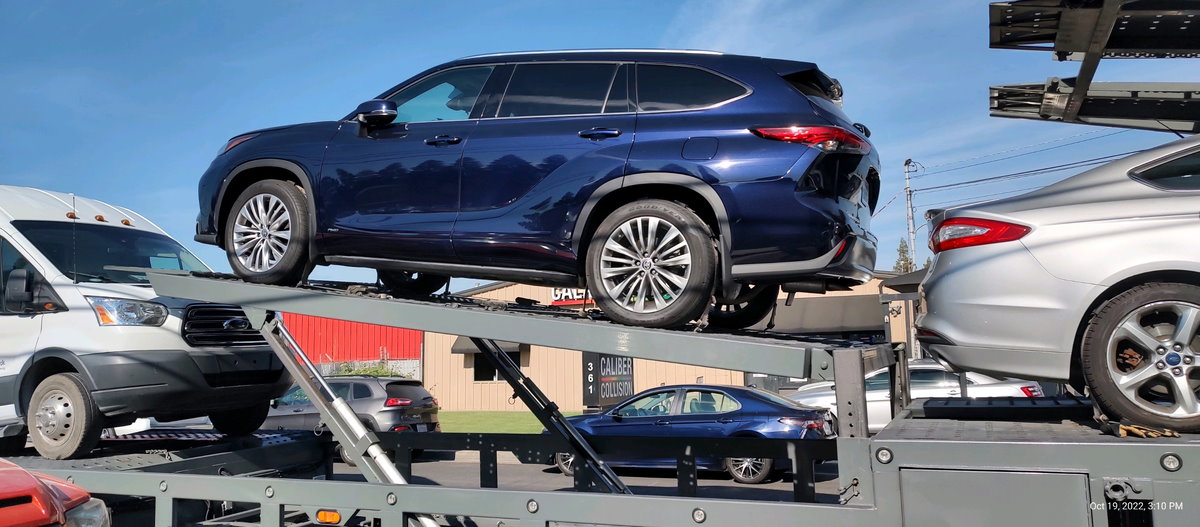
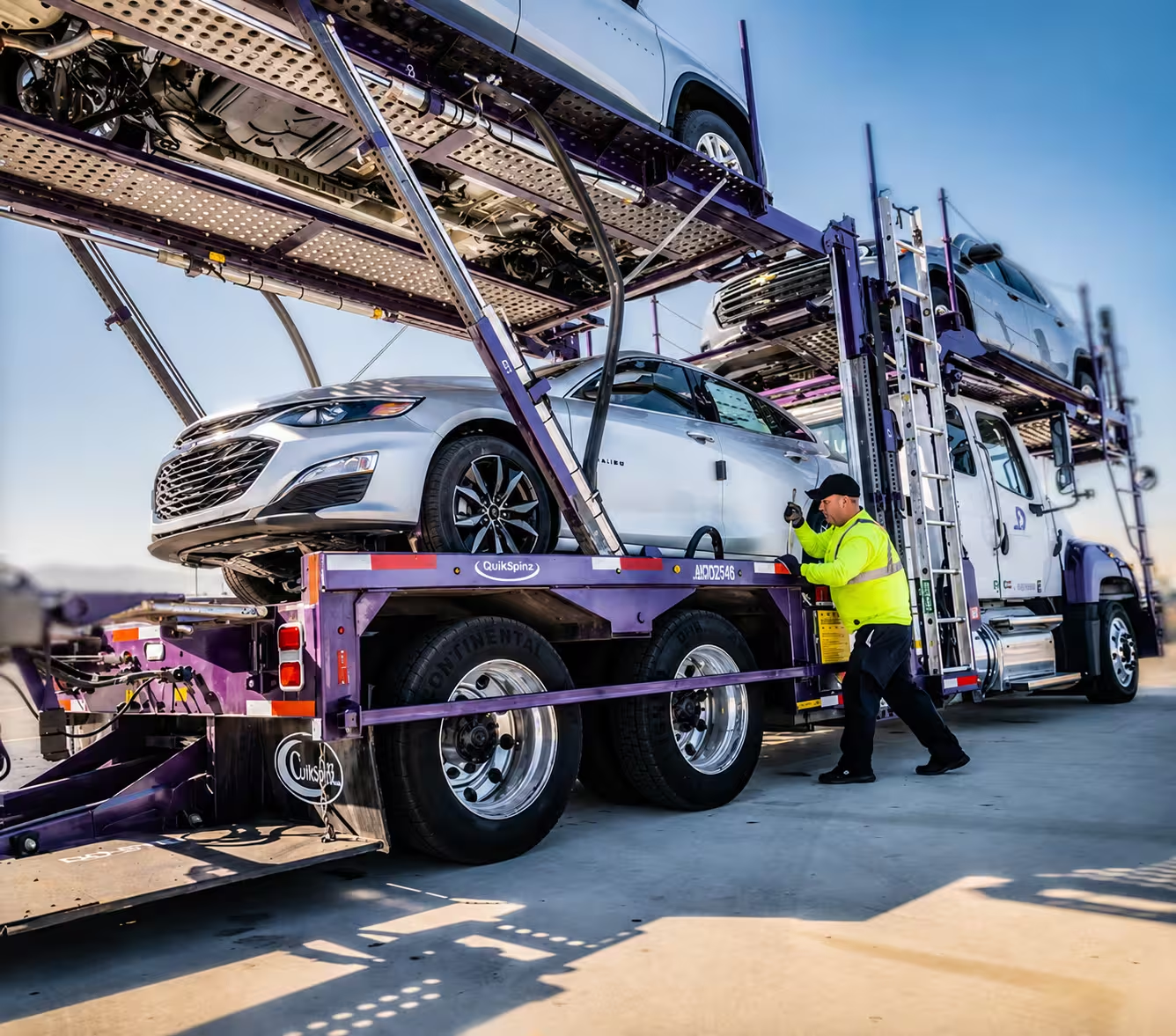
Freedom Auto Transport provides reliable car shipping services to and from , . Whether you're relocating, purchasing a vehicle out of state, or moving a fleet, our logistics team coordinates safe, efficient transport with vetted, fully insured carriers.
We offer both open and enclosed auto transport options, along with convenient door-to-door service throughout the area and nationwide routes. From pickup to delivery, every shipment is managed with clear communication and professional handling.
Our auto transport services include:
- Open car transport
- Enclosed car shipping
- Door-to-door vehicle pickup and delivery
- Cross-country auto transport
- Dealer and auction vehicle shipping
- Expedited transport options
We handle the logistics so your vehicle arrives safely, on time, and with minimal effort required on your end.
Preparing your car for transport takes about 30 minutes and prevents most of the complaints we hear from customers who skipped it. Here's the exact checklist our team walks through before every pickup.
1. Remove Personal Belongings
Auto transport insurance covers your vehicle — not items inside it. If you leave valuables in the car, you're taking on that risk yourself. Remove everything from the interior: GPS units, chargers, sunglasses, bags, tools.
Most carriers will also refuse to load a vehicle with visible items. It's a liability issue for them. Don't assume a few things in the back seat will be overlooked.
2. Clean the Vehicle
You need to be able to see your car's condition clearly. Wash it before pickup — both interior and exterior. During the inspection at pickup, the driver will document existing scratches, dents, and dings on a condition report. If the car is dirty, small damage can be missed, which creates disputes at delivery.
3. Check for Leaks
Do a quick inspection underneath the vehicle before pickup. Active leaks (oil, coolant, brake fluid) can disqualify your car from being loaded — or damage other vehicles on the carrier. Fix any active drips before your pickup date.
4. Leave a Quarter Tank of Fuel
You need enough fuel for loading and unloading — the driver will drive your car onto and off of the carrier. A quarter tank is the standard recommendation. A full tank adds unnecessary weight. An empty tank is a problem if the car runs out while being positioned.
5. Disable Toll Transponders and Parking Passes
Your EZ-Pass, SunPass, or any other transponder on your windshield will register toll charges as your vehicle moves across state lines on the carrier. Remove it or put it in a foil bag before pickup.
6. Fold in Your Mirrors
On open carriers, extended mirrors can contact other vehicles on the trailer during loading. The driver may ask you to fold them in anyway — do it proactively.
7. Document the Condition Yourself
Take photos of every side of your vehicle, including the roof and underneath if possible. Date-stamped photos on your phone are your best protection if there's a dispute at delivery.
Your driver will complete a Bill of Lading — a condition report that both you and the driver sign at pickup. Review it carefully before you sign. Make sure everything you see is documented.
8. Disable Car Alarms
Alarms that trigger during transport are a problem for everyone. If your alarm system is sensitive, disable it before pickup or adjust the sensitivity settings.
9. Note Any Special Instructions
Is there a quirk with your vehicle the driver should know? Sticky door latch, temperamental gear shift, sensitive alarm, low clearance — write it down and tell the driver at pickup. They handle hundreds of vehicles; a quick note prevents issues.
10. Confirm Pickup Details
Confirm your pickup address, date window, and emergency contact with your coordinator. Make sure someone is present at pickup to sign the Bill of Lading — or give explicit authorization to someone else who will be there.
At Pickup: What to Expect
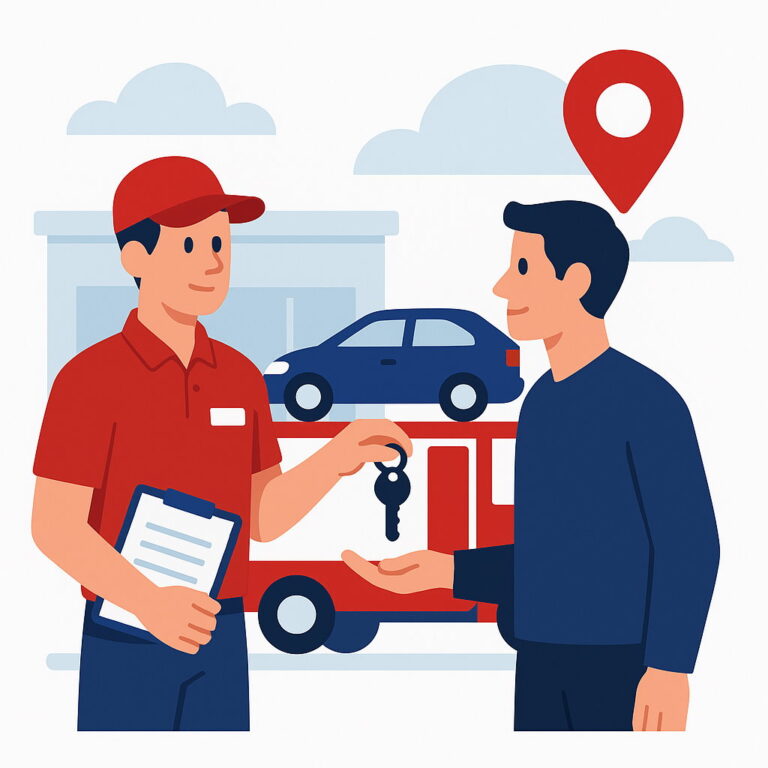
The driver will arrive within your scheduled pickup window (usually a 1–3 hour range). Plan on being there for about 15–20 minutes. The process:
1. Driver inspects the vehicle and notes existing condition on the Bill of Lading
2. You review and sign the Bill of Lading
3. Driver loads the vehicle onto the carrier
4. You receive your copy of the signed condition report
Keep your copy. You'll reference it at delivery.
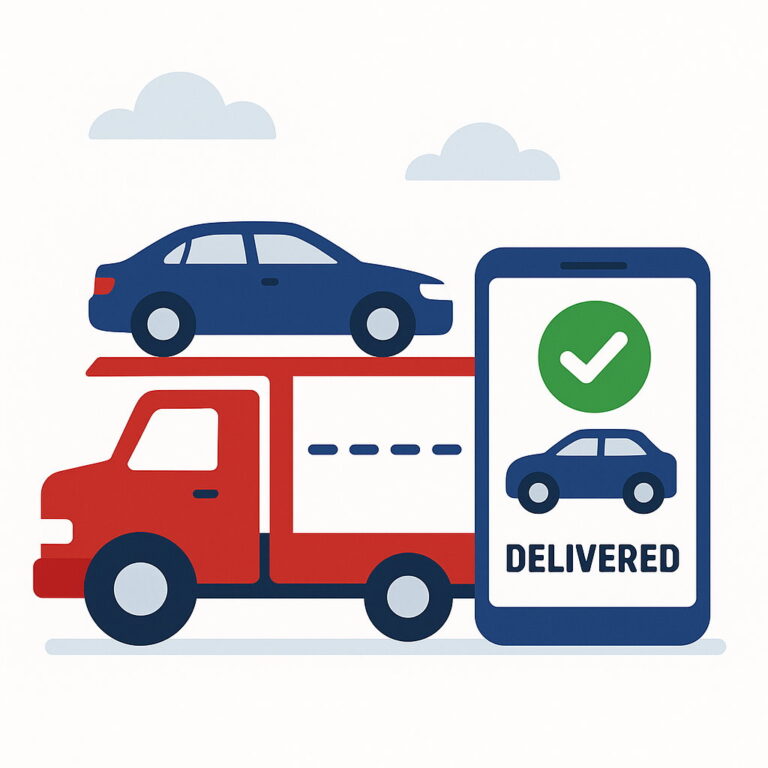
At Delivery: What to Expect
At delivery, inspect your vehicle carefully before signing the delivery condition report. Walk around the entire vehicle in good lighting. Check:
- All four sides
- Roof
- Windshield and glass
- Undercarriage (if possible)
If you see something that wasn't on the original Bill of Lading, note it on the delivery report before signing. This is your documented claim, if needed.
Get a Quote for Your Upcoming Shipment
Ready to book? Get your instant quote — exact price, no waiting for a callback.
[Get My Instant Quote →]